

Liqueurs / drink mixes / cocktails
Wait a minute... aren't these the same thing? Well, no. We need to start by clearing up this confusion. Knowing the difference between these three terms will help you understand the words and phrases that follow.
A mixed drink is essentially a beverage consisting of two or more ingredients. It can even be a non-alcoholic beverage. Popular mixed drinks include cobblers—drinks made with wine or sherry, lemon juice, and sugar.
Cocktails are any mixture of drinks containing three or more flavors.
These days, we use the word "cocktail" to refer to everything from martinis to margaritas. But the word actually refers to anything prepared with "liqueur, sugar, water, and bitters." This means that the gin and tonic is not a cocktail. Some popular cocktails include the martini, the Black Russian, the Cosmopolitan, and the Manhattan.
Now you know that when we talk about liquors ("spirits"), we're not actually talking about ghosts or something haunting your attic or basement. Liqueurs are distilled, unflavored alcoholic beverages like vodka, tequila, gin, brandy, or whiskey.
Examples:
Oh, you should try a mixed drink with less sugar , such as vodka with club soda.
This store only sells wines and spirits.
On the rocks
No, we're not talking about literal stones or rocks. Having a drink on the rocks means pouring it over ice . This is a term more commonly used with scotch or whiskey, but can be used for other drinks as well.
This saying likely comes from the days when ice cubes were cut from a large, rock-like block of ice. It has since gained popularity, becoming a common way to order whiskey.
Examples:
I'd like some Johnnie Walker Black on the rocks, please!
Oh, I love my scotch served on the rocks. It tastes so much better! I love having my scotch served on the rocks. It tastes so much better!
Neat
On the other hand, serving a drink neat means serving it straight from the bottle, at room temperature, without ice. This way, you can fully experience the flavor of the drink as it was served in the bottle.
Example:
I always order my whisky neat. I prefer it at room temperature. I always order my whisky without ice. I prefer it at room temperature.
Note: It's worth noting that the word "neat" is only used for liqueurs. Which brings us here...
Straight up
This is where things start to get really confusing, as drinkers often confuse the meaning of this word with neat .
When a drink is chilled by stirring or shaking it and then strained into a glass and served without ice, the drink is served straight up or simply up .
You can see why people might be confused, as both of these types of drinks are served without ice, but you wouldn't stir or shake a drink served neat with ice.
Example:
I'll have a bourbon, straight up, please. No, not straight up. Just a little ice. I'll have a bourbon, chilled on ice, please. No, not chilled on ice. Just a little ice.
Virgin
A drink called Virgin is a very innocent drink because it does not contain alcohol.
So, if someone asks you for a virgin Cuba libre (like Sheldon does in this clip from "The Big Bang Theory" ), they're ordering a rum and Coke without the rum. In other words, a Coke served in a tall glass with a lime wedge.
Example:
One virgin piña colada, please! One non-alcoholic piña colada, please!
Dirty
I remember sitting at a bar a few days ago and a girl came up to me and asked for her drink to be dirty. I didn't know what she wanted. Did she want it served in a dirty glass? Did she want it to have more alcohol in it?
When you make a drink dirty , you change some of the base ingredients or add an extra ingredient to slightly alter the drink's color and flavor. This change in ingredients causes the drink to darken or darken slightly.
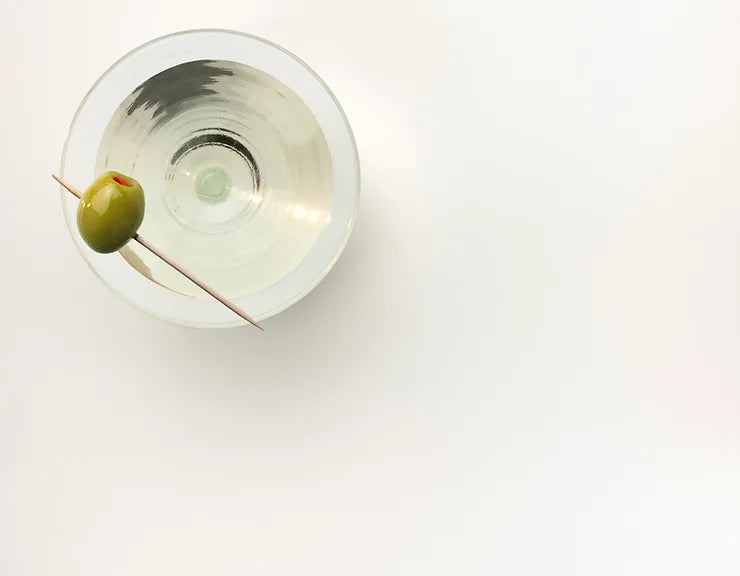
For example, a dirty martini contains olive juice, while a dirty mojito uses raw sugar instead of granulated white sugar.
Example:
I'd like a dry martini. With a lot of olive juice, please. Let's make it really dirty! I'll have a martini. Lots of olive juice, please. Let's make it really dirty!
Dry
"Dry" is a simple and straightforward way to describe a drink that lacks the necessary sweetness. For example, a dry martini is made with dry vermouth instead of sweet vermouth.
The term is often associated with the martini, but can also be used for wine or a Manhattan.
Example:
Yes, I 'll take a dry martini—er, wait , make that two dry martinis.
Short / Long
Short drinks are literally prepared in a short glass or goblet with ice and standard measures of liqueur and fruit juice. These short drinks often include amaretto or coffee liqueur for added flavor.
On the other hand, a plain drink mix like a gin and tonic may be served long , meaning more fruit juice is added to dilute the alcohol content.
Additionally, long drinks, even though they are served in tall glasses, have less alcohol content than a short drink.
Examples:
I'll have a Tom Collins, long.
And I'll take a Black Russian, short.
Topless or naked
When you order a drink that's topless or nude, you're likely looking for a different drink than the one you envisioned. Topless is a term often used with specific drinks like margaritas. If you don't want salt on the rim of your margarita, then you should order a topless or naked margarita.
Example:
Bartender: How would you like your margarita?
Customer: I would like a topless margarita. I want a topless margarita.
Well
The final type of drink we'll cover here is the unbranded beverages we call wells . As a bartender, you might need to be familiar with these drinks.
These liqueurs are unbranded, meaning they're the cheapest liqueurs in the bar. An unbranded drink like rum and cola can also fall into the category where the brand of liqueur or fruit juice used is not specified.
Example:
I wouldn't order the well drinks at that bar. They use the cheapest stuff they can find. If I were you, I wouldn't order their generic drinks. They use the cheapest stuff they can find.
English Sayings for Bartenders
In addition to the words above, you will probably hear some of the following words.
Behind the Stick
When you say a bartender is behind the stick, you're saying they are actually bartending behind the bar (as opposed to other duties).
The term is likely a slang term for a bartender who pours beer behind the bar tap, but its origins are unclear.
Examples:
Hey, are you going to be behind the stick tonight? Hey, are you going to be at the beer tap tonight?
No, I'm not actually working at the bar tonight !
Two fingers of…
While not as common anymore, this finger method remains an interesting element of bar history. The saying originates from the American bars of the Wild West (1830-1920), where bartenders would serve a two-finger-thick sip of whiskey when you ordered one.
So, for example, if you walked into a bar and ordered a two-finger whiskey, the neat, room-temperature liquor would be poured into an old-fashioned glass about two fingers high by the bartender.
Service quality was poor due to bartenders' varying finger sizes. However, we've recently seen efforts to standardize the finger decision method, so as drinking culture evolves, this phrase may become more widely used.
Examples:
Give me two fingers of your finest sippin' whiskey, barkeep! Bartender! Give me two fingers of your finest sippin' whiskey.
Building a drink
This phrase refers to the method of making a drink. When making a drink, you start with ice and build on it by adding liqueur and juice . For example, if you're making a martini, you'd put it in a mixing glass, then add ice, gin, and vermouth.
Rolling a drink
This is another way to prepare a drink. When you roll a drink , you first pour the drink into a mixing bowl, then gently pour it into a shaker or other mixing bowl and mix the ingredients together. For example, a Bloody Mary is often rolled because tomato juice fizzes when shaken.
Last call!
And finally, what better way to end this article?
Last call refers to a time when the bartender is nearing the end of the bill and closing the bar. It's a bartender's reminder to customers to order their last drinks, as the night is drawing to a close and the establishment will be calling it a day.
Each bar has its own unique method of issuing last order alerts.
Some people ring a bell or flash lights instead of shouting it!